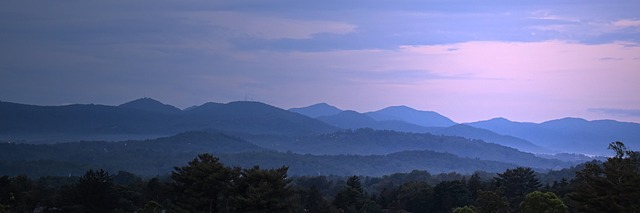
Every winter, school-aged Tennesseans (and weary teachers) pray for enough snow to cancel school. They have tricks, like flushing an ice cube and sleeping in pjs turned inside-out, in hopes that the snow will stick. Some areas in the mountains have accumulation, but we here in the valley don’t see much; rather, the snow quickly melts upon landing. When school is canceled, usually the danger is from black ice and most lawns are clear by the afternoon, so we don’t have a typical winter filled with snow. The effects of harsh weather can accumulate despite what we see. Keep reading to find out the benefits of and instructions for weatherizing your home. Note: all seasons contribute to the wear and tear of a home and your health.
Tennessee has all four seasons – winter, spring, summer and fall – each with different weather conditions.
weatherization benefits your health
Weatherization can maintain or improve respiratory health, mental health, physical safety and wellness. Managing a steady temperature improves indoor air quality and benefits everyone. Homes that get too cold in the winter or too warm in the summer increase the risk that residents will develop illness and increase the number of visits to the doctor or hospital. Poor indoor air quality or asthma triggers increase the risk of illness, so people with preexisting medical conditions like asthma, emphysema or COPD will likely benefit even more.
How do I know if my home is weatherized?
If you have to ask, it probably isn’t but here are some ways to know. Do you feel comfortable at home? If you are experiencing unmanageable temperatures, uncomfortable indoor air conditions, or excess moisture in your home, you will likely benefit from weatherization. Some other things to look for are moisture condensed between the glass panels of a window; a furnace that cannot maintain a comfortable indoor temperature; a drafty door or window; a leaky roof.
Air sealing, insulation, moisture control and ventilation are all types of weatherization. The US Department of Energy (DOE) has recommendations for these four topics:
8 basic ways to keep a healthy home:
- Keep it Dry.
- Keep it Clean.
- Keep it Pest-Free.
- Keep it Safe.
- Keep it Contaminant-Free.
- Keep it Ventilated.
- Keep it Maintained.
- Keep it Thermally Controlled.
Helpful Do’s and Don’ts
Do: One of the first things you should do is schedule a furnace inspection. Whether you have forced hot air or hot water baseboard/radiators, it’s always a good idea to have your furnace or boiler inspected and serviced before the winter months arrive. When you do so, make sure you are hiring an HVAC professional to do the work. If you have forced hot air heat, this is also a good time to have your ducts cleaned. Stocking up on filters so that you can change them monthly is a good idea. If you have not done so already, consider switching to a programmable thermostat, which can add up to big savings once the cold weather hits.
Don’t: You shouldn’t wait until the first cold night to turn on your furnace. That’s when you will actually need it. It’s best to test it prior to needing it. Also, don’t attempt to service your furnace yourself. If the cold weather has arrived and you will be going away for a short time, don’t turn the heating system off. It’s best to just turn it down to a minimum temperature of 50° or so. That way you will ensure that nothing will freeze while you’re gone.
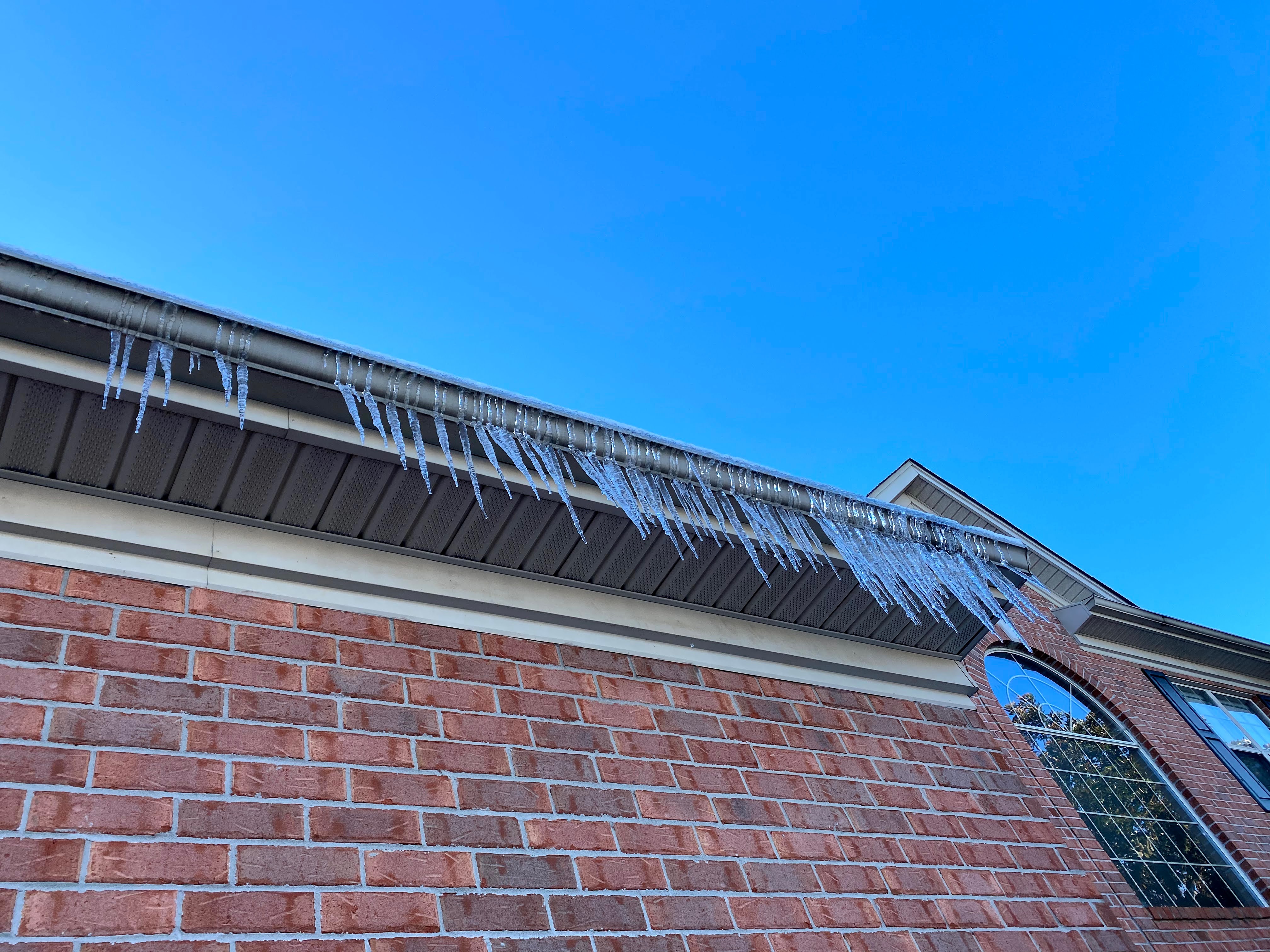
Do: Take a walk around the outside of your home. Keep an eye out for cracks in your homes foundation and repair them immediately if found. Also, clean out your gutters and downspouts. This will keep debris from trapping moisture, which can freeze, buildup and damage your gutters, roof and siding.
Don’t: Leaving hoses connected to the outside of the house can cause damage to your plumbing. Make sure that hoses are disconnected and they are drained completely. If you have outside AC units, don’t cover them with plastic as it could cause damage to them over the winter.
Do: Have your chimney inspected and cleaned if necessary. If you don’t have one already, get a cap or screen installed on the top of your chimney to keep out rodents and birds. If you have a fireplace, inspect the damper to make sure it opens and closes properly.
Don’t: Don’t just hire anybody to clean your chimney. Make sure that they are a certified chimney sweep. The Chimney Safety Institute of America (CSIA) has resources available to help you to learn more. Make sure that you do not store your firewood next to the home. This can attract bugs and rodents.
Do: Inspect your windows and doors for gaps. Add weatherstripping and insulation where appropriate. If you have summer screens in your basement windows, replace them with their glass counterparts for the winter. Check your attic for adequate insulation levels and add more as needed.
Don’t: Be careful not to over-insulate your attic. Often, insulation can be packed too tightly, which reduces its R-value. In addition be careful not to clog the vents at the eaves, reducing airflow and resulting in issues down the road.
[The above text is from Christmas Lumber.]
the benefits of weatherization
According to the Oak Ridge Institute for Science and Education, after a home weatherization residents note additional benefits related to health and finances:
- Reduced Carbon Monoxide Poisonings
- Reduced Home Fires
- Reduced Thermal Stress on Occupants
- Reduced Asthma-Related Medical Care and Costs
- Increased Productivity at Work & Home Due to Improvements in Sleep
- Fewer Missed Days at Work
- Reduced Use of High Interest, Short-Term Loans
- Increased Ability to Afford Prescriptions
- Reduced Need for Food Assistance
assistance with weatherization
Contact your energy provider. Many utility companies have websites, newsletters and in-home services to help their customers understand energy consumption and weatherization. Some utilities will even offer an energy audit and provide information for the U.S. Department of Energy Weatherization Assistance Program.
The weatherization assistance program works to help low income households meet their energy and weatherization needs. Click to the Department of Energy Weatherization Assistance webpage to determine eligibility and learn more.
What is Tennessee Weatherization Assistance Program?
“The Weatherization Assistance Program (WAP) is 100 percent federally funded through a grant from the Federal Department of Energy. The program provides funds to states to assist with the weatherization of the homes of low income elderly and disabled adults and families. The program is administered through contracts with an established network of 19 non-profit agencies and local governments experienced in providing weatherization services. WAP services are available in all 95 counties. Applicants must meet low-income eligibility guidelines based on established Federal poverty guidelines. Activities include: insulation, storm windows, caulking, and other related activities to reduce home energy costs and increase home energy efficiency.” [www.tn.gov]
links for more information
U.S. Department of Energy
Weatherization Assistance Program (WAP)
www.energy.gov/eere/wipo/weatherization-assistance-program
U.S. Environmental Protection Agency (EPA)
Indoor Air Quality
www.epa.gov/indoor-air-quality-iaq/energy-weatherization-and-indoor-air-quality
Tennessee Valley Authority (TVA)
EnergyRight Solutions
www.tva.gov/Energy/EnergyRightSolutions
Tennessee Housing Development Agency (THDA)
Weatherization
thda.org/business-partners/weatherization
Oak Ridge National Laboratory
Weatherization and Intergovernmental Programs Support
weatherization.ornl.gov
U.S. Department of Energy Weather Assistance Program
Fact Sheet
www.energy.gov/sites/prod/files/2018/06/f52/EERE_WAP_Fact%20Sheet-v2.pdf
Oak Ridge National Laboratory
Health and Safety Audit Design Manual
weatherization.ornl.gov/wp-content/uploads/pdf/2016_Present/ORNLTM2017-498.pdf
While this information isn’t directly related to Tennessee insurance, the tips and benefits to be gained from weatherization will surely help in the areas of life, health, home and even auto. Now, to apply what I’ve learned and not procrastinate checking on these things until tomorrow…or next summer. Or next winter. Time moves quickly.

 Crossing T's and Dotting i's