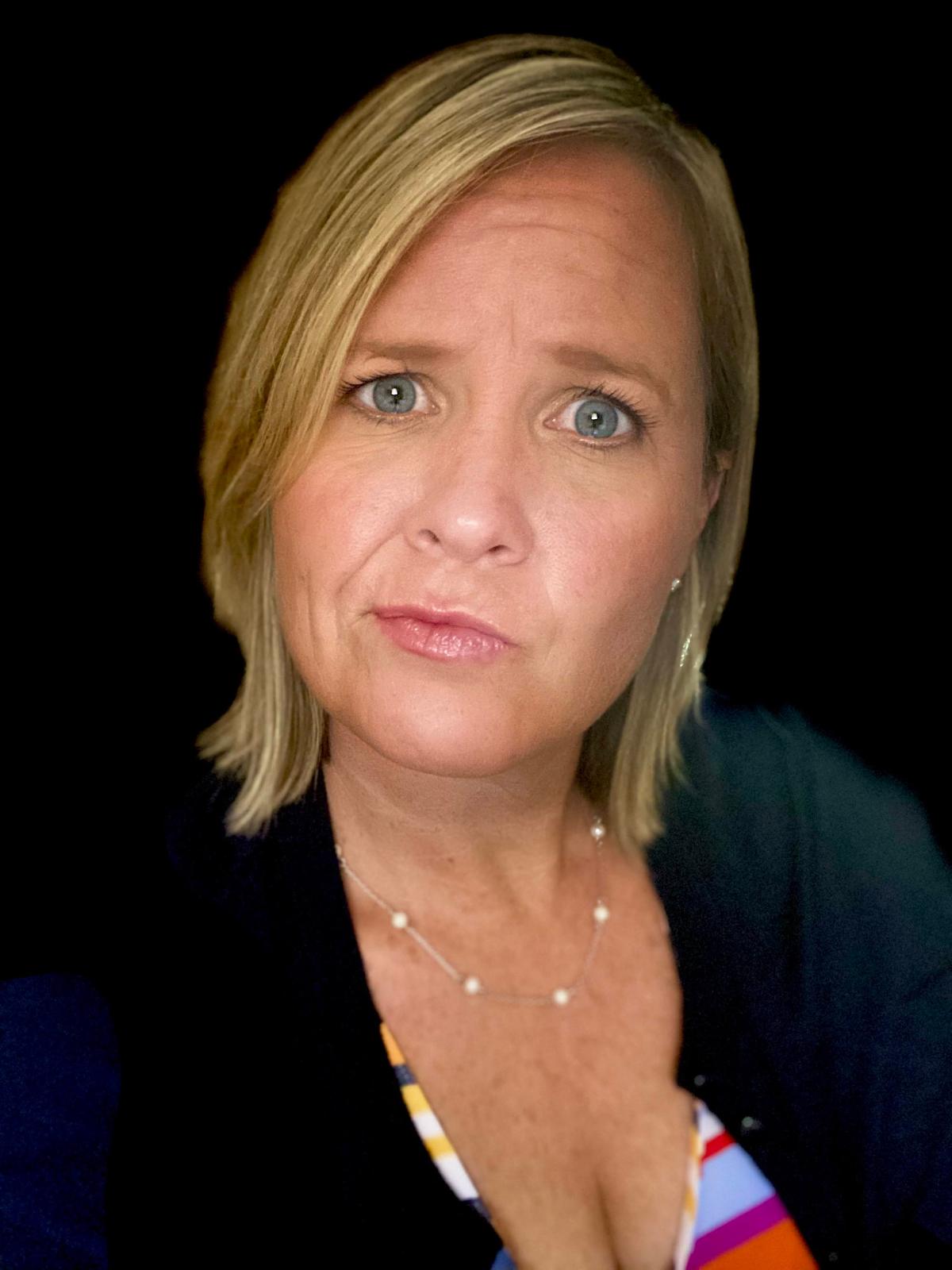
I am constantly learning from Cyndi Jeffers, CIC, and thought you might also. She has answered thousands of questions over her 30+ year career, but we don’t have enough time or space to cover them all today. We’ll start with the following 11 points to clear up some common misconceptions about different types of insurance.
- PRO TIP: When shopping for insurance coverage, make sure you compare apples to apples. You get what you pay for with insurance, and a lower premium can be an indicator that some of the coverages you had are no longer there, or that the agent didn’t input your information correctly (which could result in denial of a claim).
- How much liability insurance coverage do I really need? Purchase enough coverage to protect your assets. If you own a business, and it’s not an LLC or corporation, include the business assets in the total and make sure your business liability is enough to protect your business and personal assets.
- When should I add Long Term Care? Long Term Care insurance is not just for the elderly – a bad accident or a debilitating disease can affect a person of any age.
- PRO TIP: Take responsibility for maintaining your home. Most things that happen are caused by lack of maintenance, and insurance doesn’t cover that.
- PRO TIP: Drive defensively – don’t assume the other driver knows what they’re doing. Most auto accidents are caused by distracted drivers.
- What’s the difference between Market Value and Tax Appraisal? Property insurance is not based on market value or tax appraisal. Market value is a reflection of what someone is willing to pay for a property; tax appraisal is typically based on market value, a set millage rate, and a tax rate. Neither market value or tax appraisal are good indicators of what it would cost to rebuild your home or business building as it stands now – that’s what insurance is for.
A millage rate is the tax rate used to calculate local property taxes. It represents the amount per every $1,000 of a property’s assessed value. Assigned millage rates are multiplied by the total taxable value of the property in order to arrive at the property taxes.
from investopedia.com
- When should I contact my agent? Major changes should always be reported to your agent! It’s not about possibly raising your premium – it’s about continuing to pay premium for a policy that may no longer fit the situation and therefore may not provide coverage in the event of a loss.
- Can I use my personal auto insurance for my company vehicle? If you use a personal vehicle for business, be sure your agent is aware of it – there is only limited coverage for business use on a personal auto policy. If you have an advertising sign on your vehicle or you have employees who drive your vehicle, it’s time for a commercial auto policy.

- I just wrecked my car. Who do I call first? Before you call the 800 number to file a claim, contact your agent to discuss what happened. People often panic and call the insurance company, setting up a chargeable claim when maybe the damage is less than the deductible, the other person’s insurance is responsible, or you find it’s a maintenance issue not covered by insurance. Your agent is there to help you!
- Can I change the type of roof on my house that was damaged by a storm? The basic purpose of insurance is to put things back the way they were before the loss occurred – it’s not meant to provide additional benefits. If you didn’t have a metal roof on your home before the hail storm, you will not have one after the claim is settled (unless you pay the additional cost yourself).
- PRO TIP: If you know of someone who committed insurance fraud, report them – their actions are affecting everyone, including you!
Insurance fraud is a major factor in insurance premium increases. Property & casualty insurance companies lose approximately $34 billion a year to insurance fraud, while as much as $259 billion was paid out as a result of healthcare fraud in 2010 alone. In addition, the cost of combating fraud is also passed on to the consumer. Insurance fraud takes many forms and is committed by insureds, contractors, healthcare professionals, etc.

 Crossing T's and Dotting i's