Revealing Truths about Full Coverage Auto Insurance

Don’t be fooled by the word “full.”

Full coverage does not mean everything is fully covered if you were to wreck your car or have an accident. It is a package term used to describe a combination of comprehensive, collision and liability coverage within one policy.

  • Comprehensive Coverage is also referred to as Other-than-Collision because it covers your vehicle if stolen, vandalized, set on fire, and other random things that don’t involve running into another object and are outside of the driver’s control.
  • Collision Coverage includes a fender bender or running into a telephone pole or fence. It helps pay for the cost of repairing or replacing your vehicle up to the actual cash value if you run into another vehicle, a snowbank, or an object in or on the ground (such as a guard rail or roadkill).
  • Liability Insurance helps pay the expenses the other driver incurs if you are found at fault for an accident.

Full Coverage does not exist.

Tennessee requires that car insurance policies include, at a minimum, the following coverage limits:

  • Bodily injury liability: $25,000 per person and $50,000 per accident
  • Property damage liability: $15,000 per accident

REMEMBER:

  • Automobile liability insurance is financial protection for an at-fault driver who harms someone else or their property in a car accident.
  • Bodily injury liability helps cover medical expenses for those involved in the accident.
  • Property damage liability helps cover costs of repairing the vehicles of the other drivers involved in the accident.


Other important coverages to consider:

  • Medical Payments Coverage–regardless of who’s at fault, this covers medical bills for you and any passengers in your car if injured in an accident.
  • Uninsured/Underinsured Motorist Coverages (UM/UIM)–designed to protect you and your vehicle if someone hits you and either doesn’t have insurance or not enough insurance to cover the costs.
  • Custom Parts & Equipment Coverage–protection for after-market upgrades to your car, including a sound system or custom grill. Your standard collision and comprehensive coverages may not cover upgrades that were not factory-installed.
  • Rental Car Coverage–this covers the cost of a rental car while yours is in the shop after a covered incident.
  • Loan/Lease Gap Coverage–this coverage can help cover the remaining balance you may owe on your loan or lease (up to an increase of 25% of your car’s actual cash value).
  • Emergency Roadside Assistance (Towing/Labor) Coverage–This coverage is there to help when your car breaks down, you have a flat tire, or you run out of gas. Emergency roadside assistance covers up to $75 per incident.

Speak with your agent to determine how much coverage you have and how much coverage you need.

We will make sure you aren’t fooled by full coverage claims.
The Big Four: Prepare for Disaster!

Natural disasters can occur anytime, anywhere with little or no warning.

Flood.

Earthquake.

Tornado.

Sinkhole.

While we can’t prevent a natural disaster, we can prepare and attempt to protect property and possessions from the forces of Mother Nature.

If you only read one line on this page, read this: Homeowners insurance does not cover flood!  


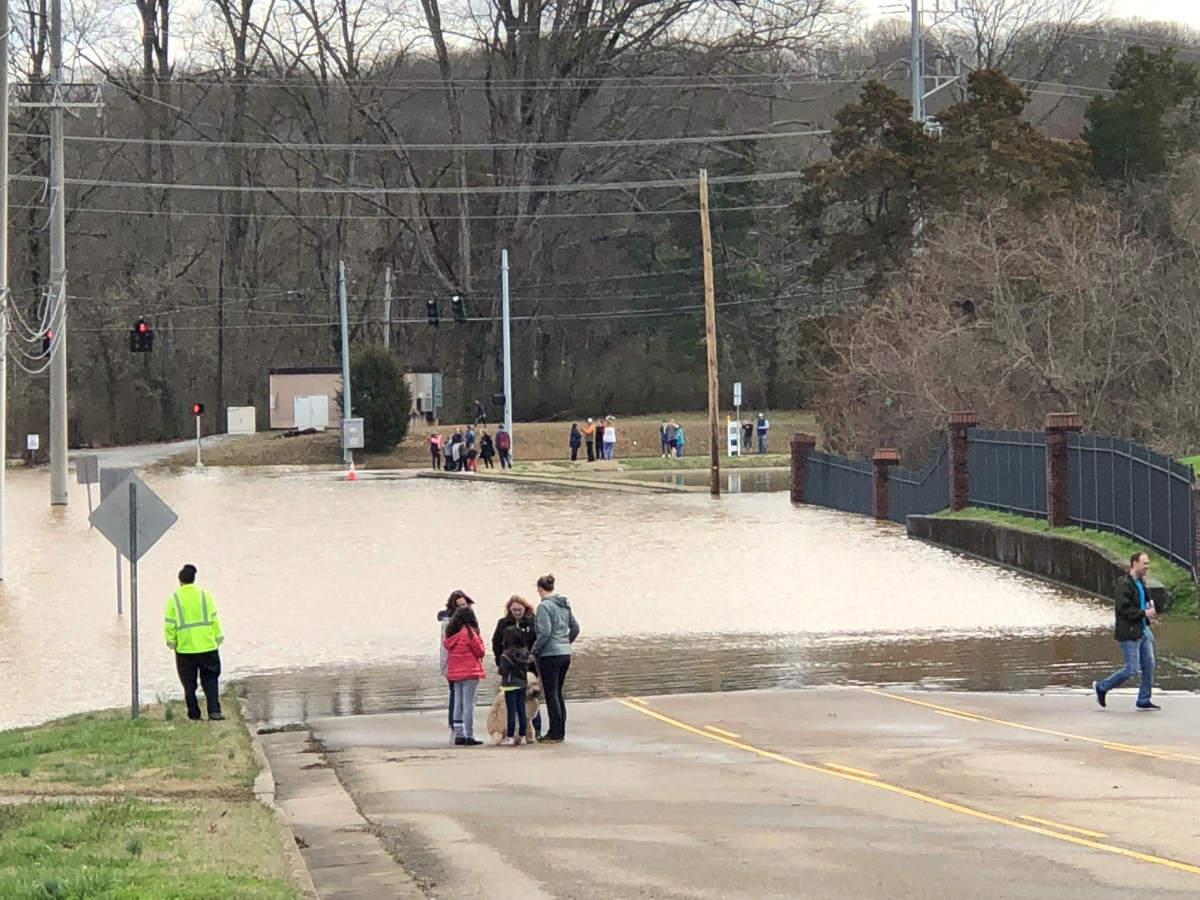
Flood insurance is available through only 60 insurance companies who participate in the National Flood Insurance Program (NFIP) in 22,000 communities across the US.  Oak Ridge is one of those communities.  Flood insurance covers overflow of inland water (lakes, rivers); pooling or runoff of surface water from any source (rain); collapse of land along a body of water due to wave or water currents; and mudflow.  Yes, mudflow – if your house is on a hill, you may still need flood insurance!

In fact, the NFIP reports that more than 20% of their claims come from outside the high-risk areas. Federal assistance may only be available to those without flood insurance if the president declares a disaster. However, that assistance is not free – it comes in the form of either a USBA loan (which must be paid back) or a FEMA disaster grant (which averages about $5,000 per household). In addition, many people do not meet the strict eligibility requirements, so they do not qualify for either option.

The average flood insurance claim is around $30,000.

Keep in mind, there is typically a 30-day waiting period for coverage to begin after a policy takes effect.  A flood policy covers the building, its foundation, electrical, plumbing, heating & air systems, hot water heaters, appliances, permanently installed carpeting, etc. Contents coverage can also be purchased.  Premiums are based on the property location, so high-risk areas will have higher premiums while low to moderate risk areas may qualify for the Preferred Risk program.


Earthquakes happen in our area more often than anywhere else in the US! Most are small, but in 1973, Maryville had a 4.7 magnitude quake and in 1913, Knoxville had a 5.9.  Earthquake coverage is not automatically included in a Homeowners policy, and some insurance companies do not offer the coverage at all. After an earthquake occurs, there is typically a waiting period before coverage can be purchased.  The deductible is typically a percentage of your dwelling or building limit.

2014 Seismic Hazard Map from usgs.gov

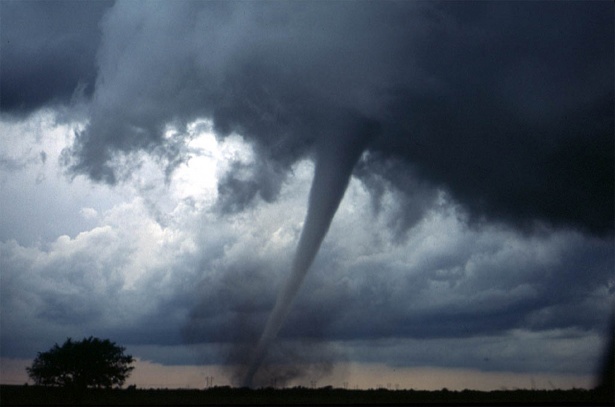
Tornadoes are becoming more common in Tennessee. Since 1979, tornado alley seems to be moving eastward, and one report puts Tennessee in the top 4 of deadliest states for tornadoes.  In 2002, a tornado devastated the Mossy Grove community in Morgan County.  Our area often experiences high winds that down power lines and cause significant property damage. Many insurance companies now offer a separate wind/hail deductible on property policies, with a choice of either one deductible for everything or a higher deductible for wind/hail.

Stock Photo, public domain

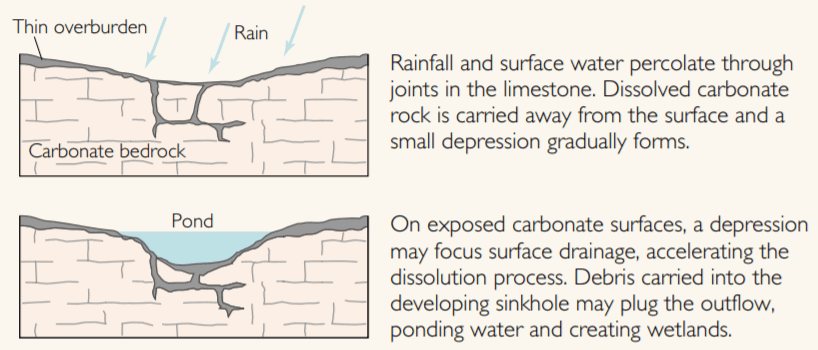
Sinkhole coverage is available on property policies in Tennessee – some companies automatically include it while others will add it for an additional premium. Limestone makes up a lot of ground beneath East Tennessee soil, and it is quick to erode with water.

Typically, sinkholes form so slowly that little change is noticeable, but they can form suddenly when a collapse occurs. Such a collapse can have a dramatic effect if it occurs in an urban setting.

usgs.gov
From usgs.gov

Discuss your risk potential and options with your insurance agent before another disaster strikes!  

Our agents are happy to review your policy and confirm your coverage. Give us a call at 865-483-8483.

Content used by permission from original article written by Cyndi Jeffers, CIC, Commercial Lines Specialist at Herron-Connell.