
A deductible is basically the amount you agree to pay in the event of a claim, either a specific dollar amount or a percentage of the total amount of insurance on the policy. For example, we have a $500 deductible on our auto insurance and a 1% deductible on our home insurance. True story, we just added our 16 year old son to the auto policy and his rate is rather high right out of the gate. I asked if it would save us money to increase the deductible to $1000 or more and the savings were not that large, like $6 a month, so I left it. At the three month mark of receiving his drivers license, my son wrecks his car. Thankfully, no injuries, but the claim is going to raise his already high rate even higher. Thankfully, no one was hurt. Yes, I repeated myself because I only feel better with the reminder that things could’ve been much worse. That $500 deductible doesn’t sting quite as much either, but it’s also something we’d prefer never to use. Alas, we have teenage drivers so it comes with the territory. We are glad everyone is okay and cars can be repaired. Still. . .
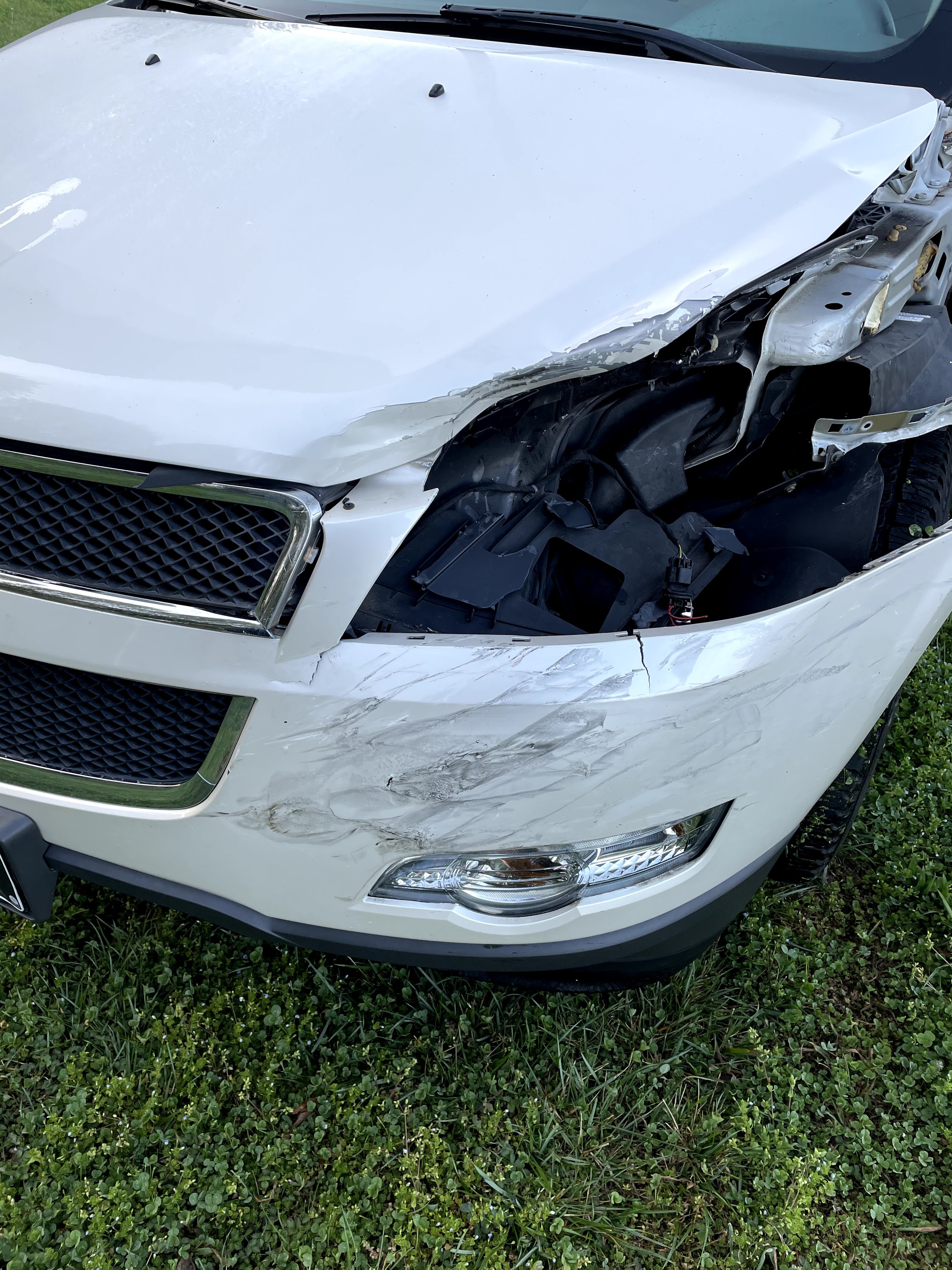
Ugh.
Back to deductibles. Good news is you get to choose your own. Tennessee has minimum car insurance requirements for bodily injury, property damage and uninsured motorist bodily injury:
- Bodily injury liability: $25,000 per person and $50,000 per accident
- Property damage liability: $15,000 per accident
- Uninsured motorist bodily injury: $25,000 per person and $50,000 per accident*
- Uninsured motorist property damage: $15,000 per accident*
*Note, deductibles are paid for each claim. So you can’t “hit your deductible” as we can do with health insurance.
If you have a loss that adds up to the amount near your deductible, first, always check with your agent, but most times you’re better off paying for the repair without filing a claim. Your insurance will increase and some companies will drop you after filing multiple claims, so you have other considerations besides reimbursement.
“Take a new look at your deductibles for car and homeowners insurance,” says Julie Murphy Casserly, CFP and author of “The Emotion Behind Money.”
“See if you’ve built up enough savings so that you don’t need a $250 deductible but can go up to $1,500 deductible and decrease what you’re paying to your insurance company every month in premiums,” she says.
Increasing your deductible to $1,000 could reduce your premium by up to 25 percent and save money, she says. On a $500 premium, that could mean pocketing more than $100 in savings this year. [Excerpt from bankrate.com]
Finance and insurance analyst Laura Adams explains, “It’s important to know what [deductibles] are and when they apply to various claims. If you don’t have enough savings to pay a deductible after getting into a car accident or having a tree fall on your roof, you might not be able to complete needed repairs.”
YouGov Plc conducted a nationwide survey. In early September 2020, they gathered data from more than 2,800 Americans. This study found that over half (61%) of the property insurance policyholders surveyed are not very confident they know what their insurance deductible is for their policy. More than 78% of policyholders have some concern that they wouldn’t be able to afford the costs of a claim, and 36% wouldn’t be able to cover a claim using their savings.
That’s a problem. Scott Holeman, Media Relations Director at the Insurance Information Institute (III), says, “We offer this advice: Never take a higher deductible than you can afford. Choosing a high deductible can mean a lower monthly insurance payment, but it also means a higher bill to pay when things go wrong.”
Paying a little extra each month may be worth it to you to have a lower and easier to manage deductible, as in the case of covering a teenage driver, but if you are generally a safe driver and have funds to cover a higher deductible should you experience a loss, look into lowering that monthly premium. You get to decide, but asking your agent for advice is a good idea and it’s what they are there to do. Mike, Billie and Susan are here to answer any questions and review your deductibles with you.
Drive safely.
 Crossing T's and Dotting i's